The auto repair industry is moving fast in 2026. New technology, new driver habits, and rising competition are reshaping how shops win business. If you own a shop in Houston or anywhere in Texas, this is the year to adapt.
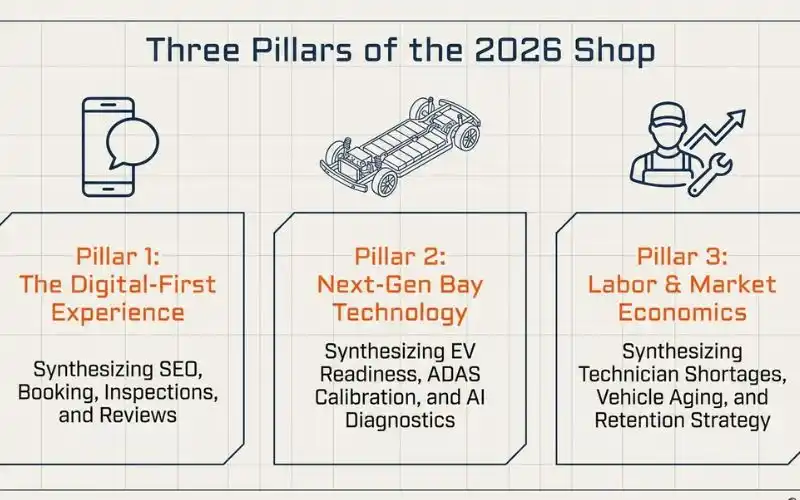
This guide breaks down the ten biggest trends shaping auto repair shops right now. Understanding these shifts helps you plan smarter for the rest of the year.
1. Digital First Customer Experience
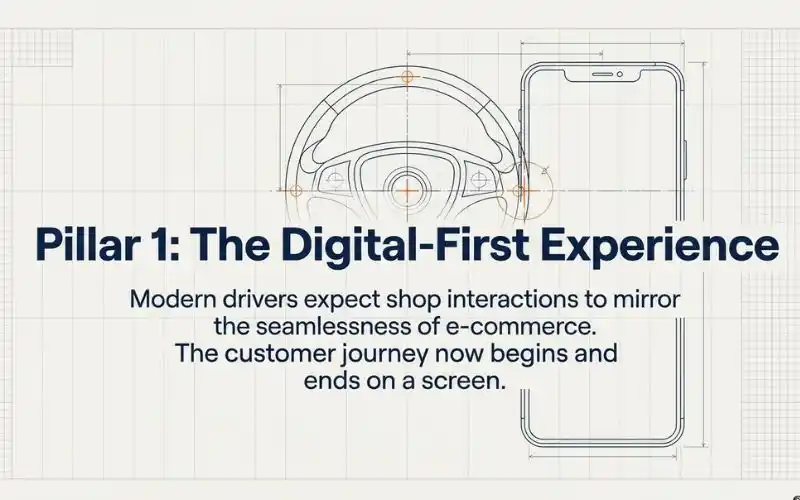
Drivers now expect the same convenience from a repair shop that they get from any online service. More than 70% of consumers now look for features like digital communication and transparent service updates before choosing a shop. This number keeps climbing every year. Shops that still rely only on phone calls are losing business to competitors who offer online booking.
Customers want to see availability, pick a time, and get confirmation without waiting on hold. Text updates during the repair process also matter more than ever. Shops that skip this step feel outdated to modern drivers.
Building a strong digital presence takes planning. Our auto repair shop marketing covers all the expect and details of your shop growth
2. EV and Hybrid Repair Readiness
Electric vehicles are no longer a small niche market. The automotive market will see more than 25% of new passenger vehicle sales dedicated to electric vehicles by 2026, according to Maclane’s Automotive industry analysis
This shift changes what shops need to know and own. Electric vehicles use high voltage battery systems together with special cooling systems, regenerative braking technology, and unique engine compartment designs. Traditional repair training does not fully prepare technicians for this work.
Shops without EV certified staff will lose these repair jobs to specialized competitors. Training technicians now, before demand peaks, puts your shop ahead of the curve. Battery diagnostics and electrical system repair are becoming core skills, not optional extras.
3. ADAS Calibration Becomes Standard Work
Modern vehicles come loaded with cameras and sensors that support lane keeping, blind spot monitoring, and adaptive cruise control. Safety systems need to undergo electronic scanning together with calibration processes after technicians complete sensor and camera repairs or replacements, according to Maclane’s Automotive.
After almost any repair involving the windshield, bumper, mirrors, or suspension, these systems often need recalibration. Skipping this step can leave safety features misaligned, which creates real risk for drivers.
Shops without calibration equipment often send this work to outside vendors. That means lost revenue and longer wait times for customers. Investing in calibration tools keeps repairs in house and builds trust with safety conscious drivers.
4. The Technician Shortage Keeps Growing
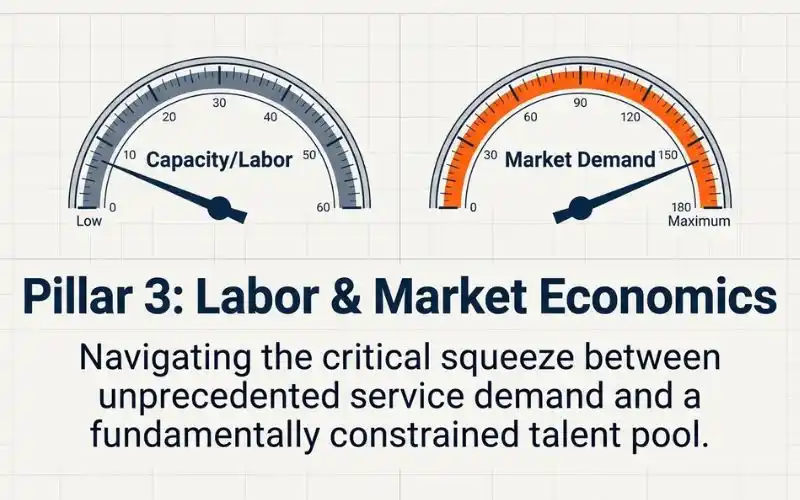
Finding skilled technicians remains one of the toughest challenges shops face today. According to Auto Care Association survey data compiled by IMR, 23.8% of shops report difficulty finding qualified or responsible technicians, while 30.0% of shops say staying current with diagnostic tools and software updates is a challenge.
This shortage affects scheduling, turnaround time, and overall shop capacity. Fewer new technicians are entering the trade compared to years past. Shops competing only on pay are struggling to keep good employees long term.
Positive work culture, ongoing training, and clear paths for advancement matter more now. Shops that invest in their teams see less turnover and stronger workmanship. A stable team also means more consistent service for every customer who walks through the door.
5. AI Powered Diagnostics Save Time and Money
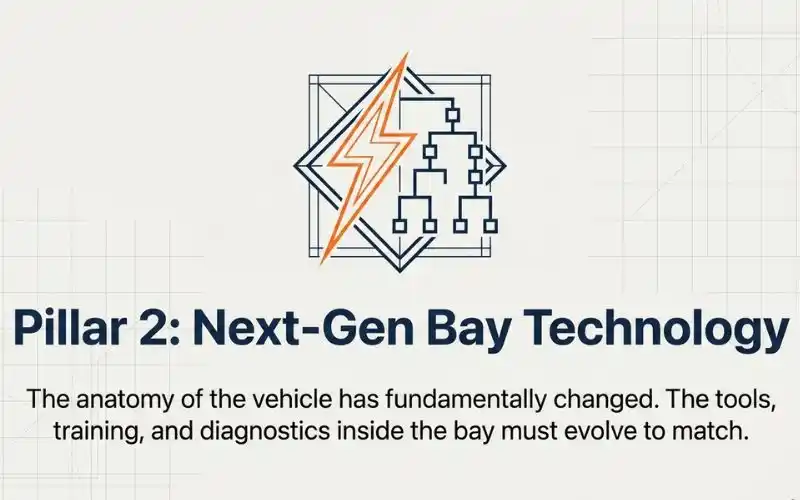
Artificial intelligence is changing how technicians identify vehicle problems. These tools scan vehicle data, compare patterns, and flag likely issues faster than manual diagnosis alone.
Faster diagnostics mean shorter wait times for customers and higher car counts for shops. Technicians spend less time guessing and more time repairing. This also reduces comebacks, since problems get identified correctly the first time.
As vehicles become more computerized, relying only on manual diagnostic methods becomes less practical. Shops that adopt AI powered tools position themselves as more efficient and more accurate than shops still working the old way.
6. Digital Vehicle Inspections Build Trust
Customers want proof, not just a verbal explanation of what is wrong with their car. According to RepuClinic’s analysis of leading shops, the most competitive shops are deploying mobile tools and digital inspection systems during the repair process itself, not just at intake.Repuclinic
Technicians complete digital vehicle health checks that automatically generate customer facing reports with photos and video clips showing the exact issue. Customers can review this information before agreeing to any repair.
This approach speeds up approval time and reduces back and forth phone calls. It also protects the shop if a customer later questions what was found. The auto repair industry has struggled with trust for decades. Transparency through digital reporting helps close that gap.
7. Customer Retention Beats Constant New Customer Chasing
With staffing limited across the industry, many shops cannot handle a constant flood of new customers. According to RepuClinic, shops are placing increased focus on customer retention as labor shortages continue to limit capacity for growth.
Keeping existing customers coming back is often more valuable than winning new ones. Retention requires less marketing spend and creates steadier, more predictable revenue. Loyalty programs, service reminders, and consistent communication all support this goal.
If your shop cannot add more bays or staff this year, focusing on the customers you already have is the smarter path. For more strategies on this approach, read auto repair shop marketing strategies.
8. Online Reviews Decide Which Shop Gets the Call
Before a customer ever picks up the phone, they check reviews. Star ratings, recent feedback, and photos shape a customer’s first impression of your shop.
A shop with strong, recent reviews wins the choice over a shop with few or outdated ones. Responding to reviews, whether positive or negative, shows customers that your shop values feedback. This builds credibility before any conversation even starts.
Review management should be a regular part of shop operations, not an afterthought. Asking satisfied customers to leave feedback after service is a simple habit that pays off over time. Tools like Google Business Profile make it easy to monitor and respond to reviews in one place.
9. Aging Vehicles Mean More Repair Work
Cars are staying on the road longer than in previous years. According to Mordor Intelligence’s automotive service market report, average vehicle age reached 12.6 years in 2024, creating a structural tailwind as units between six and fourteen years now form the largest service group.Mordor Intelligence
This creates steady, ongoing demand for mechanical work rather than routine maintenance alone. As vehicles pass the ten year mark, they often need more involved repairs like suspension work, electrical fixes, and major component replacement.
Shops that understand this shift can build service offerings around older vehicles. This segment of drivers tends to stick with one trusted shop for years, which supports long term, stable revenue.
10. Local SEO and Smart Lead Generation Drive Growth
Ranking high on Google Maps and local search results brings customers directly to your shop. Many drivers now research shops online, checking photos and reviews before ever calling.
Shops that ignore local search visibility miss out on free, high intent website traffic. An optimized Google Business Profile, consistent business information, and location specific content all support better rankings.
Pairing strong local SEO with a clear lead generation plan turns online searches into booked appointments. This guide on lead generation strategies for auto repair shops walks through practical steps for building this system.
Final Thoughts
The shops that succeed in 2026 will be the ones that adapt early to these shifts. Investing in technicians, technology, and digital presence pays off over time.
Whether your shop operates in Houston, Austin, or Dallas, these trends apply across the state. Start by focusing on one or two areas from this list. Build from there, and your shop will stay ahead of the competition all year long.
Leave a Reply